
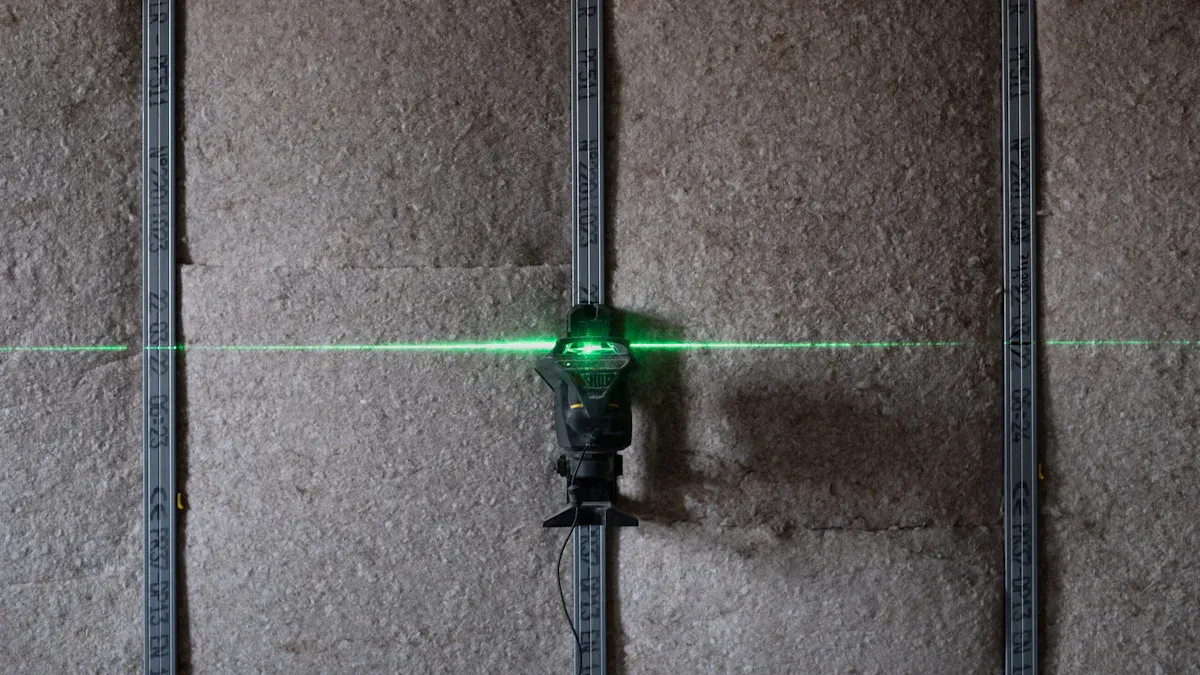
Mineral fiber board insulation and mineral fiber acoustic ceiling tiles share some terminology, but they are not interchangeable products. A thermal insulation board may be intended for a wall, roof, service enclosure or concealed cavity. A finished acoustic ceiling tile is selected for a visible ceiling surface, grid compatibility and the acoustic requirements of the room.
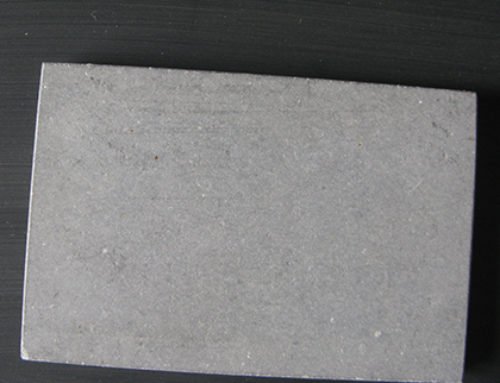
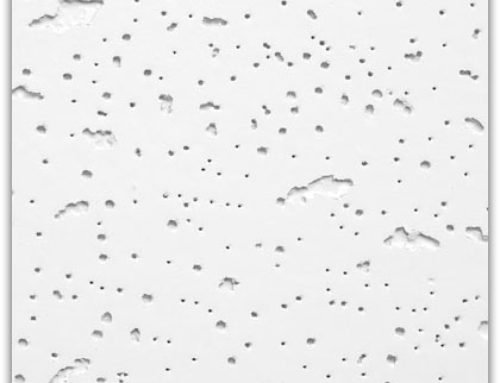
For a suspended ceiling enquiry, start with Mainland mineral fiber ceiling boards. If the project requires thermal insulation, identify the insulation product and assembly separately before comparing quotations.
Different Products Need Different Specifications
The phrase mineral fiber describes a broad material family. It does not establish a product’s thermal conductivity, acoustic rating, fire classification, water behaviour or intended installation. The composition, binder, facing, density, thickness and mounting can differ between products. A result for one board cannot be applied automatically to another board with a similar name.
| Selection point | Thermal insulation board | Finished acoustic ceiling tile |
|---|---|---|
| Primary role | Thermal or acoustic insulation within a specified building assembly. | Visible modular ceiling finish with product-specific acoustic properties. |
| Key information | Declared thermal properties, dimensions, facing, intended location and installation requirements. | Actual tile size, edge, grid compatibility, surface finish, acoustic test data and handling requirements. |
| Fire assessment | Review the exact insulation product and its use in the relevant assembly. | Review the tile, facing, grid and tested assembly where an assembly rating is required. |
| Procurement documents | Technical data and test evidence for the selected insulation grade. | Technical data, pattern sample and supporting evidence for the quoted ceiling tile. |
Sound Absorption Is Not the Same as Sound Insulation
Sound absorption describes how a material affects reflected sound within a space. Sound transmission between rooms also depends on the separating construction, joints, openings and other sound paths. An absorption value by itself does not establish how well a wall or ceiling prevents sound reaching the next room.
Where a ceiling plenum connects adjacent rooms, ask whether the specification calls for ceiling attenuation data as well as absorption data. Compare results from compatible test methods and mounting conditions. For the terminology used in ceiling specifications, read our ceiling tile sizes, NRC and fire-documentation guide.
Do Not Transfer Thermal or Fire Ratings Between Products
A thermal conductivity or fire rating must identify the tested product and relevant conditions. The word mineral does not prove that every finished board is non-combustible or that an installation has a particular fire-resistance duration. Facings, binders, joints, supporting construction and penetrations can affect the assessment.
Ask for the current technical sheet and the complete supporting document. Check that the model, thickness and intended application match the quotation. A historical report or a report belonging to another manufacturer is not a substitute for that check.
What to Include in an Enquiry
- State whether you need a visible ceiling tile or a separate insulation layer.
- Provide the actual dimensions, installation location and expected exposure conditions.
- Include the project standard and required acoustic, thermal or fire properties.
- Identify the supporting grid or assembly, quantity, packing and destination port.
Send your product and project requirements to Mainland so the export team can review the intended material and available supporting information.
Technical References
ROCKWOOL acoustic insulation overview and ASTM C423 sound absorption test scope provide background on the different acoustic functions. These references do not certify Mainland products.
Leave A Comment