
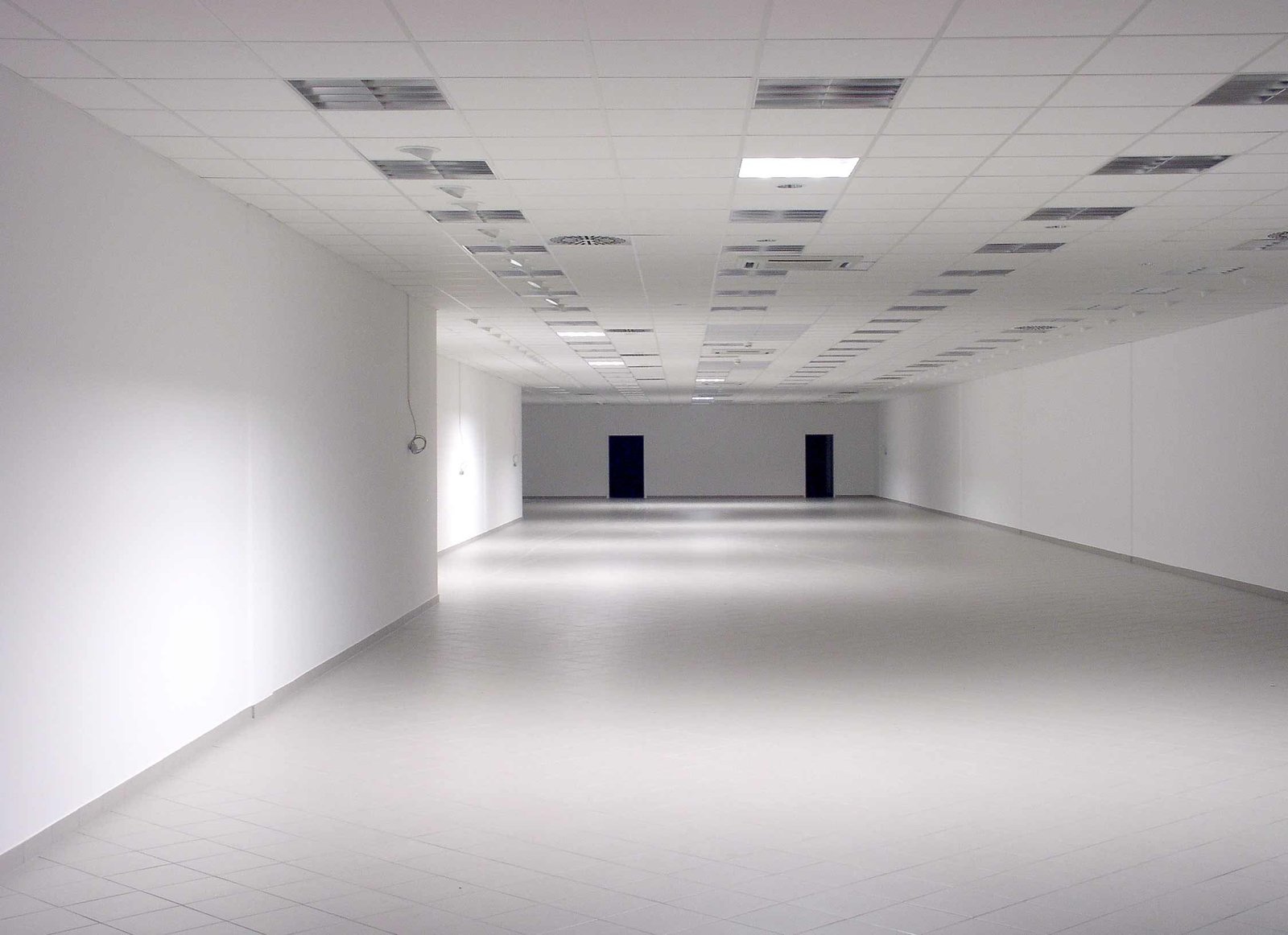
Mineral fiber boards are factory-finished panels used mainly in suspended acoustic ceiling systems. They are typically made from mineral wool, recycled cellulose, binders, fillers, and performance additives, then finished with perforations, fissures, coatings, and edge profiles for a specific ceiling grid.
They should not be confused with rigid mineral wool insulation boards. Ceiling boards are designed for a visible interior finish, grid compatibility, room acoustics, light reflectance, and dimensional stability. Insulation boards are usually concealed and evaluated mainly for thermal resistance, density, and assembly performance.
For B2B buyers, the key question is not simply “What is a mineral fiber board?” It is whether the offered tile matches the project module, acoustic target, fire documentation, humidity conditions, edge detail, packing requirement, and destination-market test standards. This guide explains the practical differences and the information to confirm before ordering.
Mineral Fiber Boards at a Glance
| Specification area | What buyers should confirm |
|---|---|
| Main application | Lay-in or tegular suspended ceilings for commercial interiors |
| Common modules | 600 × 600 mm and 600 × 1200 mm; imperial modules are also available for relevant markets |
| Typical thickness range | About 12–20 mm, depending on design and performance grade |
| Edge options | Square lay-in, tegular, concealed or other project-specific profiles |
| Acoustic data | NRC or equivalent sound-absorption rating; CAC or equivalent sound-attenuation data when required |
| Other checks | Fire classification, humidity/sag resistance, light reflectance, dimensions, color, packing and test reports |
Available sizes and performance values vary by product. Use the supplier’s current technical data and reports for final selection.
What Are Mineral Fiber Boards Made Of?
Mineral fiber ceiling boards use a blended wet-felted or similar formulation. Mineral wool provides a porous fiber structure; recycled cellulose can support forming and resource efficiency; binders hold the matrix together; fillers and additives adjust processing, strength, moisture behavior, and surface quality. The face may be coated, painted, fissured, perforated, or laminated to create the required appearance and acoustic response.
The exact recipe is manufacturer- and grade-specific. A buyer normally does not need a proprietary formula, but should request consistent batch performance, material declarations where required, and test documents that identify the tested product thickness and construction.
How Mineral Fiber Boards Are Used in Suspended Ceilings
The boards sit within a metal T-bar grid or use an edge profile designed to engage with the grid. The modular system provides access to services above the ceiling and allows damaged tiles to be replaced individually. This makes mineral fiber boards practical for offices, schools, hospitals, hotels, retail spaces, corridors, meeting rooms, and other commercial interiors.
Selection must consider the complete ceiling system. Board dimensions, edge detail, suspension-grid width, hanger spacing, perimeter trim, service loads, and installation clearances all affect the finished result. A tile with the wrong edge can fit poorly even when its nominal length and width appear correct.
Performance Specifications Buyers Should Compare
Sound absorption: NRC and equivalent ratings
Mineral fiber boards are widely used because their porous structure can absorb sound and reduce reverberation within a room. NRC is a common North American summary rating, while other markets may use weighted sound-absorption values. Compare products tested by the same method and at the same mounting condition; a number without a referenced test method is not enough for project approval.
Sound attenuation: CAC and room-to-room privacy
Sound absorption inside a room is different from sound transmission through a ceiling plenum. Where speech privacy between adjacent rooms matters, ask for CAC or the relevant local attenuation measurement in addition to absorption data. Ceiling layout, partitions, service penetrations, and the plenum also influence real-world performance.
Fire performance
“Fireproof” is not a precise procurement term. Buyers should request the reaction-to-fire classification or assembly rating required by the project, together with the test standard, specimen details, thickness, and report validity. A board-level classification and a complete fire-rated ceiling assembly are not interchangeable.
Humidity and sag resistance
Ceiling tiles can be exposed to humidity during storage, construction, or service. Ask for the stated relative-humidity class or sag-resistance condition, plus storage and installation guidance. Packaging should protect the boards from rain, condensation, edge impact, and prolonged site moisture.
Light reflectance and surface finish
A clean white surface can support light distribution and a consistent interior appearance. Confirm color, pattern, perforation or fissure design, coating uniformity, and acceptable visual tolerances using an approved sample before mass production.
Common Sizes, Thicknesses and Edge Options
Common metric ceiling modules include 600 × 600 mm and 600 × 1200 mm. Markets using imperial grids may require 2 × 2 ft or 2 × 4 ft modules, with actual finished dimensions coordinated to the suspension system. Thickness commonly falls between about 12 and 20 mm, but heavier or higher-performance grades may differ.
Square lay-in edges are simple and widely compatible. Tegular edges create a recessed visual line below the grid. Concealed and specialty edges require closer coordination with the suspension system and installation method. Confirm the finished size, tolerance, edge drawing, face direction, and grid width rather than ordering from a product name alone.
Where Mineral Fiber Boards Are Used
- Offices and meeting rooms: acoustic comfort, accessible services, and a consistent modular appearance.
- Schools and training facilities: control of reverberation and easy replacement during maintenance.
- Hospitals and clinics: project-specific acoustic, cleaning, emissions, and fire documentation.
- Hotels and retail interiors: decorative surface patterns and integration with lighting and services.
- Corridors and public buildings: modular installation, access above the ceiling, and documented fire performance.
High-humidity, hygiene-sensitive, industrial, exterior, or impact-prone areas may require a specialized ceiling product. Confirm environmental conditions before selecting a standard mineral fiber tile.
Mineral Fiber Board Buyer Checklist
- Confirm the ceiling module, finished tile dimensions, thickness, and dimensional tolerance.
- Provide the grid width and required edge profile, ideally with a drawing or approved sample.
- State acoustic targets and the accepted test methods for absorption and attenuation.
- State fire, emissions, humidity, light-reflectance, or other project requirements.
- Approve the surface pattern, perforation, color, and edge finish before production.
- Confirm carton quantity, pallet size, moisture protection, labels, and container-loading plan.
- Agree on sample approval, batch inspection, documentation, delivery schedule, and destination port.
Why Source Mineral Fiber Boards from Mainland?
Mainland supports overseas importers, distributors, contractors, and project buyers with mineral fiber ceiling board options, matching T-bar grid systems, export packing, samples, and specification review. The goal is to match the offered product to the purchase specification before production, not to substitute generic marketing claims for test data.
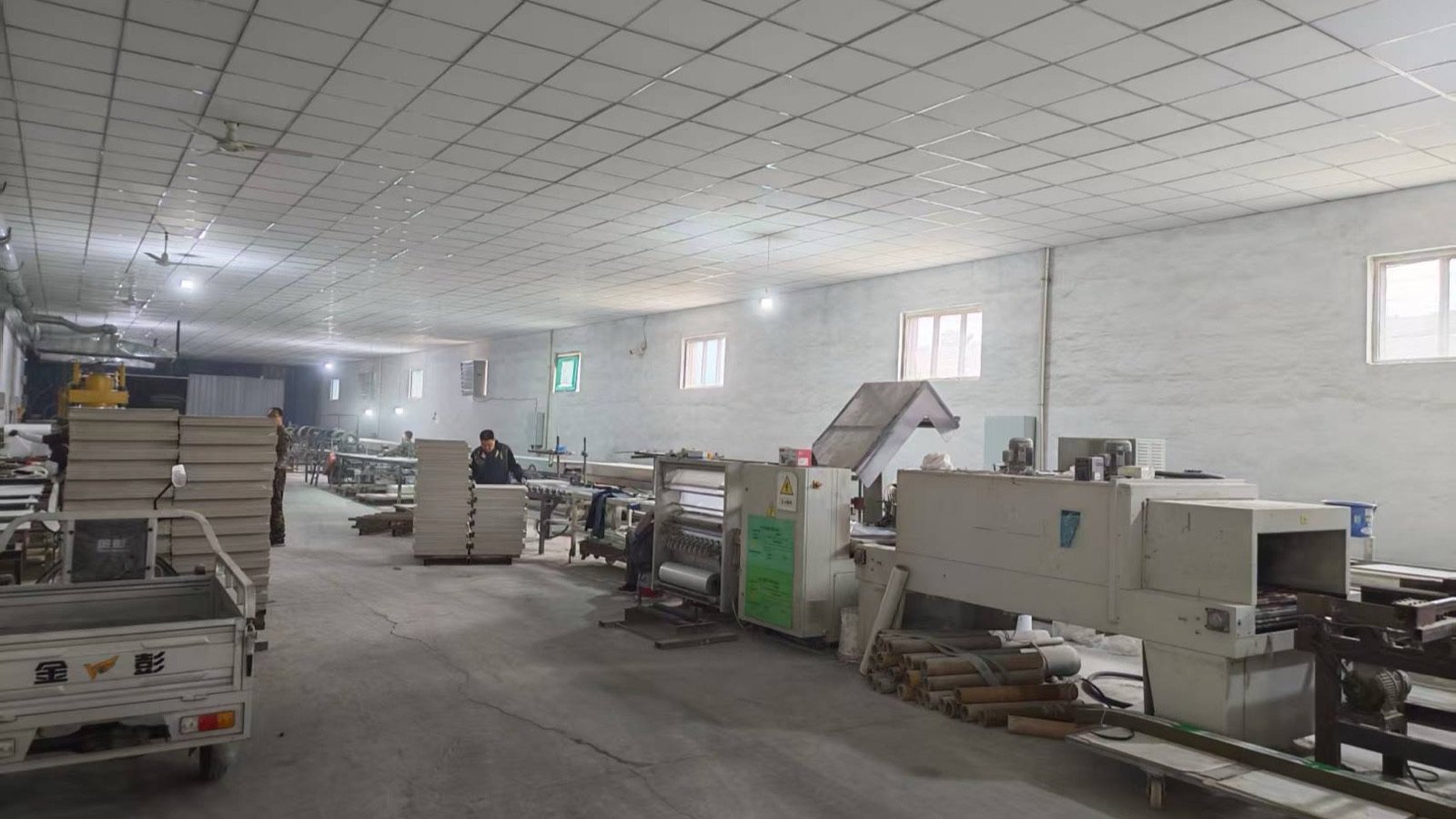
Contact Mainland for product specifications, samples, packing information, and an export quotation.
Frequently Asked Questions
What are mineral fiber boards used for?
They are used mainly as visible acoustic tiles in suspended ceiling systems for offices, schools, hospitals, hotels, retail spaces, corridors, and other commercial interiors.
Are mineral fiber boards the same as mineral wool insulation boards?
No. Mineral fiber ceiling boards are factory-finished modular tiles designed for visible suspended ceilings. Mineral wool insulation boards are usually concealed products selected mainly for thermal, acoustic, density, and assembly requirements.
Are mineral fiber boards fire resistant?
Many mineral fiber ceiling boards achieve useful fire classifications, but performance depends on the exact product and test method. Request the applicable report and do not treat a board classification as automatically equivalent to a fire-rated ceiling assembly.
What sizes are available?
Common metric modules include 600 × 600 mm and 600 × 1200 mm, while imperial modules are available for relevant markets. Thickness and finished dimensions vary, so confirm compatibility with the selected grid.
What information should I send for a quotation?
Send the tile size, thickness, edge, surface pattern, grid type, required test standards, order quantity, packing requirements, destination port, and delivery schedule.
Related Mineral Fiber Board Resources
- Mineral fiber board products and specifications
- Mineral fiber board production process
- Ceiling tile sizes, NRC and fire-rating buyer guide
- Mineral fibre board supplier guide
Leave A Comment