
What Are Mineral Fiber Boards and Their Uses in Construction
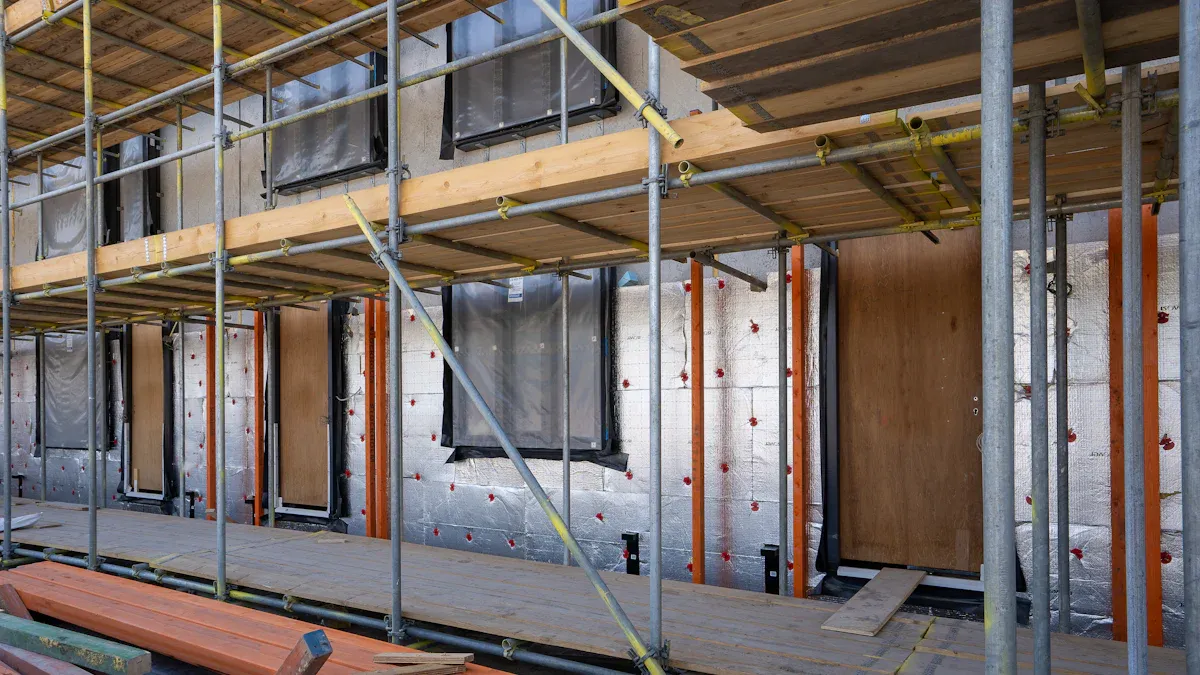
Mineral fiber boards are essential materials in modern construction. You’ll find them made from natural or synthetic minerals like basalt and slag. These boards excel in applications where durability and performance matter most, such as ceiling tiles, wall panels, and insulation.
Their popularity continues to grow, with the global mineral wool insulation board market projected to rise from $12.5 billion in 2023 to $19.8 billion by 2032. This growth reflects increasing demand for energy-efficient building solutions and stricter regulations. Their high-temperature resistance, non-combustibility, and hydrophobic properties make them a reliable choice for enhancing safety and comfort in buildings.
Key Takeaways
Mineral fiber boards are created using natural and man-made materials. They are strong and work well in construction.
These boards provide great heat and sound insulation. They help keep rooms comfy and block out noise.
They resist fire, making buildings safer and meeting fire rules.
Mineral fiber boards do not absorb water easily. This makes them last longer and prevents mold.
Using these boards is eco-friendly since they often use recycled stuff and can be recycled again.
Composition and Properties of Mineral Fiber Boards
Composition of Mineral Fiber Boards
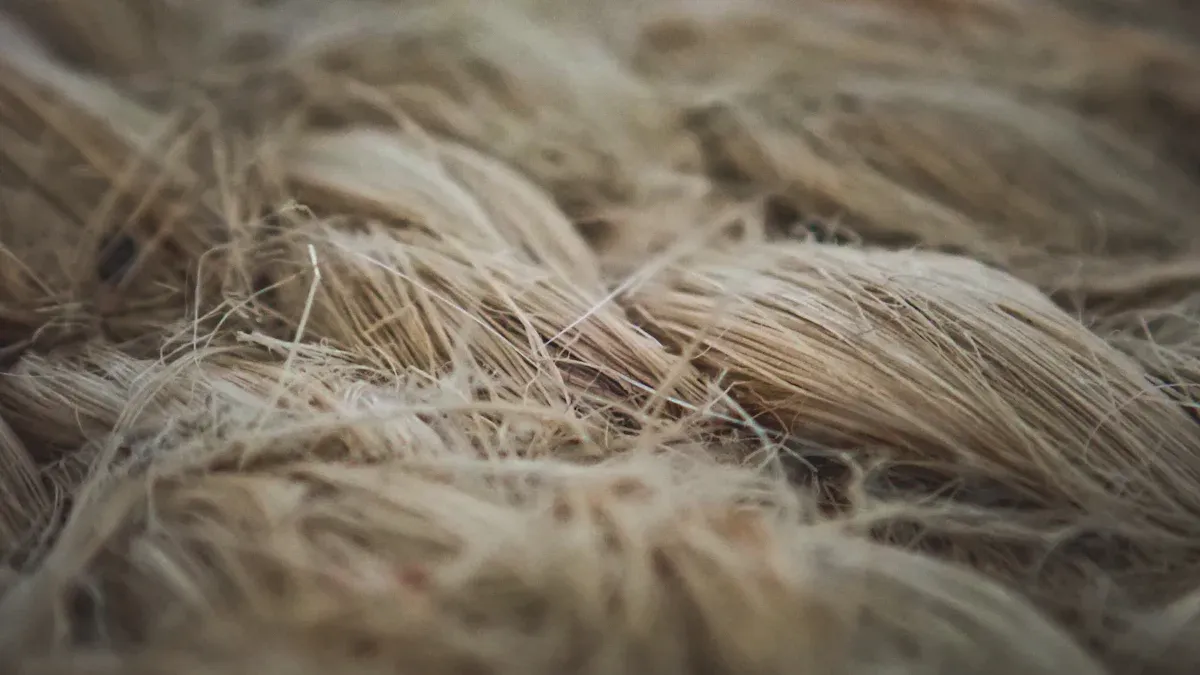
Mineral fiber boards are crafted from a combination of natural and synthetic materials, each chosen for its unique properties. The primary raw materials include basalt, diabase, and recycled glass. These materials are melted at temperatures exceeding 1,400 degrees Celsius, transforming them into a molten state. The molten mixture is then extruded and spun into fine fibers, which are collected and laid down in mats. These mats are compressed and treated with additives to enhance their durability, fire resistance, and moisture repellency.
The table below provides a detailed breakdown of the composition and manufacturing process:
Component | Description |
|---|---|
Raw Materials | Basalt, diabase, or recycled glass are used as primary raw materials. |
Manufacturing Temp | Materials are melted at temperatures exceeding 1,400 degrees Celsius. |
Fiber Creation | Molten materials are extruded and spun into fine fibers. |
Board Formation | Fibers are collected, laid down in mats, compressed, and treated with additives for enhanced properties. |
Mineral wool, a key component of these boards, is produced by melting natural or synthetic minerals like basalt and slag. This process results in a product with excellent thermal and acoustic insulation, fire resistance, and durability. Interestingly, research shows that gasification slags and ashes can substitute for steel mill slag in the manufacturing process, demonstrating the versatility of synthetic materials.
Key Properties of Mineral Fiber Boards
Mineral fiber boards are renowned for their exceptional properties, which make them indispensable in construction and insulation. These boards can withstand high temperatures, with some types remaining stable at up to 1,200 degrees Celsius. Their non-combustible nature ensures compliance with fire safety standards, such as BS 476: Part 4 and DIN 4102.
The following table highlights the key properties of mineral fiber boards:
Property | Value |
|---|---|
Limiting temperature | 1200 °C |
Fire safety | Non-combustible to BS 476: Part 4 |
Thermal conductivity | 0.035–0.06 W/mk |
Limiting temperature | 1100 °C |
Fire safety | Non-combustible to BS 476: Part 4 |
Limiting temperature | 320 °C |
Fire safety | B2 according to DIN 4102 |
In addition to their fire resistance, these boards offer excellent thermal and acoustic insulation. Their low thermal conductivity helps maintain energy efficiency in buildings, while their dense structure absorbs sound, reducing noise levels. Furthermore, their hydrophobic properties prevent moisture absorption, ensuring long-term durability and resistance to mold.
By combining these properties, mineral fiber boards provide a reliable solution for enhancing building performance and safety. Whether you’re looking to improve insulation, fireproofing, or soundproofing, these boards deliver consistent results.
Applications of Mineral Fiber Boards in Construction
Ceiling Tiles and Wall Panels
Mineral fiber boards are widely used in ceiling tiles and wall panels due to their lightweight and durable nature. You can install these boards to create smooth, aesthetically pleasing surfaces that enhance the overall appearance of a building. Their ability to resist moisture makes them ideal for areas prone to dampness, such as basements and bathrooms. Additionally, these boards provide excellent thermal insulation, helping to maintain comfortable indoor temperatures.
When used in ceiling tiles, mineral fiber boards also contribute to better sound absorption. This makes them a popular choice for offices, schools, and hospitals, where reducing noise levels is essential. Their fire-resistant properties further enhance safety, ensuring compliance with building codes and regulations.
Soundproofing and Acoustic Solutions
If you want to improve the acoustic performance of a space, mineral fiber boards are an excellent solution. These boards have a dense structure that absorbs sound waves, reducing noise transmission between rooms. This makes them ideal for theaters, recording studios, and conference rooms where sound clarity is crucial.
Studies show that acoustic panels made from coir fiber and rice husk have a sound absorption coefficient greater than 0.4 across a frequency range of 100 Hz to 5000 Hz. This demonstrates their effectiveness in absorbing both low and high-frequency sound waves, outperforming many commercial sound absorbers. By using mineral fiber boards, you can create quieter, more comfortable environments that enhance productivity and relaxation.
Fireproofing in Building Design
Fire safety is a critical consideration in construction, and mineral fiber boards play a significant role in enhancing it. These boards are non-combustible and can withstand high temperatures, making them an effective barrier against the spread of fire. Their fire-resistant properties can save lives and reduce property damage during fire incidents.
Mineral fiber boards enhance safety in buildings due to their fire-resistant properties.
Their thermal insulation properties contribute to energy efficiency, leading to better temperature regulation in buildings.
By incorporating mineral fiber boards into your building design, you can ensure compliance with fire safety standards while also improving energy efficiency. This dual benefit makes them a valuable addition to any construction project.
Applications of Mineral Fiber Boards in Insulation
Thermal Insulation for Energy Efficiency
If you want to improve your building’s energy efficiency, mineral fiber boards are an excellent choice. These boards have low thermal conductivity, which means they slow down heat transfer. This helps maintain a stable indoor temperature, reducing the need for heating or cooling systems. As a result, you can lower your energy bills and reduce your carbon footprint.
Mineral fiber boards are commonly used in walls, roofs, and floors to create a thermal barrier. For example, when installed in attics, they prevent heat from escaping during winter and keep your home cooler in summer. Their ability to perform well in extreme temperatures makes them suitable for both residential and commercial buildings.
Tip: Pair mineral fiber boards with other energy-saving measures, like double-glazed windows, to maximize your building’s efficiency.
Moisture Resistance and Durability
Moisture can damage many building materials, but mineral fiber boards are designed to resist it. Their hydrophobic properties prevent water absorption, which helps protect your building from mold and mildew. This makes them ideal for areas with high humidity, such as basements, bathrooms, or kitchens.
These boards also maintain their structural integrity over time. Unlike some materials that warp or degrade when exposed to moisture, mineral fiber boards stay strong and reliable. This durability ensures that your investment lasts for years, reducing the need for frequent replacements.
You can use mineral fiber boards in exterior walls or as part of a roof system to shield your building from rain and damp conditions. Their moisture resistance not only enhances durability but also contributes to a healthier indoor environment by minimizing the risk of mold growth.
Benefits of Mineral Fiber Boards
Thermal and Acoustic Performance
Mineral fiber boards excel in both thermal and acoustic performance, making them a versatile choice for construction. Their low thermal conductivity helps maintain indoor temperatures by slowing heat transfer. This reduces the need for heating or cooling systems, saving energy and lowering utility costs.
When it comes to sound insulation, these boards perform exceptionally well. Studies show that the Rw index, which measures sound reduction, increases significantly when mineral wool is used. This improvement is especially noticeable at middle and high frequencies. Additionally, the negative values of C and Ctr terms, which indicate poor sound insulation at low frequencies, decrease with the inclusion of mineral wool. However, slight reductions in sound insulation at middle frequencies (2–3 dB) may occur due to edge clamping in certain setups. Despite this, mineral fiber boards remain a reliable solution for creating quieter spaces.
Fire Safety and High-Temperature Resistance
Safety is a top priority in construction, and mineral fiber boards provide excellent fire resistance. These boards are non-combustible and can withstand extreme temperatures without losing their structural integrity. This makes them an effective barrier against fire, helping to protect lives and property.
Research highlights the importance of using materials like mineral fiber boards in high-temperature environments. For example, studies on blended fiber-reinforced composites show significant reductions in mechanical strength as temperatures rise. Compression strength decreases by 75%, split tension by 79%, and flexure strength by 84% when temperatures increase from 20 °C to 750 °C. Despite these reductions, mineral fiber boards maintain their performance under extreme conditions, ensuring safety and compliance with fire regulations.
Longevity and Durability
Durability is another key benefit of mineral fiber boards. These boards resist wear and tear, maintaining their structural integrity over time. Their hydrophobic properties prevent moisture absorption, reducing the risk of mold and mildew. This makes them ideal for use in areas with high humidity or exposure to water.
You can rely on mineral fiber boards to provide long-lasting performance in various applications. Whether used in walls, ceilings, or insulation systems, these boards retain their effectiveness for years. Their durability not only reduces maintenance costs but also ensures a healthier indoor environment by preventing moisture-related issues.
Sustainability and Eco-Friendly Features
Mineral fiber boards stand out as a sustainable choice in construction. Their eco-friendly features make them a preferred option for builders and homeowners who care about the environment. By using these boards, you can reduce your carbon footprint while creating energy-efficient spaces.
One of the key sustainable aspects of mineral fiber boards is their use of recycled materials. Manufacturers often incorporate recycled glass and slag, which reduces the need for raw materials. This practice not only conserves natural resources but also minimizes waste.
Did you know? Using recycled materials in construction can lower greenhouse gas emissions by up to 30%.
These boards also contribute to energy efficiency. Their excellent thermal insulation properties help maintain indoor temperatures, reducing the need for heating or cooling systems. This leads to lower energy consumption and fewer emissions from power generation.
Another eco-friendly feature is their durability. Mineral fiber boards last for years without losing their effectiveness. Their long lifespan means fewer replacements, which reduces waste and the demand for new materials.
Additionally, these boards are recyclable. At the end of their life cycle, you can recycle them into new products, further reducing landfill waste. This closed-loop process supports a circular economy, where materials are reused instead of discarded.
Key Eco-Friendly Features of Mineral Fiber Boards:
Made from recycled materials like glass and slag.
Promote energy efficiency through thermal insulation.
Long-lasting and durable, reducing material waste.
Fully recyclable, supporting sustainable practices.
By choosing mineral fiber boards, you not only enhance your building’s performance but also contribute to a healthier planet. Their sustainability features align with modern environmental goals, making them a smart and responsible choice for construction projects.
Environmental Considerations of Mineral Fiber Boards
Recyclability and Waste Reduction
Mineral fiber boards offer significant advantages in waste reduction. Manufacturers often use recycled materials like slag and glass during production. This practice minimizes the need for virgin resources and reduces landfill waste. At the end of their life cycle, you can recycle these boards into new products, supporting a circular economy.
By choosing mineral fiber boards, you contribute to reducing construction waste. Their durability ensures fewer replacements, which lowers the demand for new materials. Recycling these boards also helps conserve energy and raw materials, making them an eco-friendly option for sustainable building practices.
Tip: Look for manufacturers that prioritize recycling in their production processes to maximize environmental benefits.
Energy-Efficient Manufacturing Processes
The production of mineral fiber boards involves energy-intensive processes, but advancements in technology have improved efficiency. Modern manufacturing techniques reduce energy consumption by optimizing melting and fiber-forming stages. Some facilities even use renewable energy sources to power their operations, further lowering their carbon footprint.
You can benefit from these energy-efficient practices by selecting boards from manufacturers committed to sustainability. Their efforts not only reduce greenhouse gas emissions but also align with global goals for cleaner production methods.
Addressing Potential Environmental Drawbacks
While mineral fiber boards offer many benefits, their production has environmental challenges. The use of urea-formaldehyde resin and electricity during manufacturing creates environmental hotspots. Comparative analyses show that particleboard has a 27.5% lower total environmental impact than medium-density fiberboard. Additionally, the eco-efficiency of particleboard is 18.8% higher.
To address these drawbacks, you can explore alternatives with lower environmental impacts. Manufacturers are also working to reduce emissions and improve resin formulations. By supporting companies that adopt greener practices, you help mitigate these challenges and promote sustainable construction.
Note: Always evaluate the environmental impact of building materials to make informed decisions for your projects.
Mineral fiber boards offer unmatched versatility in construction and insulation. You can rely on them for thermal, acoustic, and fire-resistant applications, making them essential for modern building practices. Their energy efficiency and durability reduce costs while promoting sustainability. Manufacturers often use recycled materials, which highlights their eco-friendly nature.
Although some environmental challenges exist, the benefits outweigh the drawbacks. By choosing mineral fiber boards, you enhance building safety and performance while contributing to a greener future. These boards remain a smart choice for creating efficient and resilient structures.
FAQ
What are mineral fiber boards made of?
Mineral fiber boards are made from natural or synthetic materials like basalt, slag, and recycled glass. These materials are melted, spun into fibers, and compressed into boards. Additives enhance their durability, fire resistance, and moisture repellency.
Are mineral fiber boards safe for indoor use?
Yes, mineral fiber boards are safe for indoor use. They are non-combustible, resist mold growth, and do not release harmful chemicals. Their fire-resistant and moisture-repellent properties make them ideal for ceilings, walls, and insulation.
How do mineral fiber boards improve energy efficiency?
Mineral fiber boards reduce heat transfer due to their low thermal conductivity. This helps maintain stable indoor temperatures, reducing the need for heating or cooling systems. You save energy and lower utility bills.
Can mineral fiber boards be recycled?
Yes, you can recycle mineral fiber boards. Manufacturers often use recycled materials like slag and glass in production. At the end of their life cycle, these boards can be processed into new products, supporting sustainable practices.
Where can I use mineral fiber boards in construction?
You can use mineral fiber boards in ceilings, walls, and insulation systems. They are ideal for soundproofing, fireproofing, and thermal insulation. Their moisture resistance makes them suitable for damp areas like basements and bathrooms.
Leave A Comment